Compare mobility equipment for home and everyday use
SafeHome Match is an independent educational comparison resource. We are not a seller, installer, or care provider. Explore side-by-side product categories, read buyer checklists, and review clear specifications before making your decisions.
Compare everyday mobility options
Review the general purposes and typical characteristics of common mobility aids to understand how each option supports daily home routines and community outings.
Provides rigid, two-handed support for short indoor walking distances.
General Characteristics
- Lightweight frame with rubber non-slip tips or dual front glide wheels
- Requires manual lifting or gentle sliding across level interior flooring
- Folds flat for compact closet storage or car transport
Common Context
Indoor use where deliberate, hand-supported stepping is preferred over rolling motion
Designed for longer walking distances, with a built-in seat for rest breaks.
General Characteristics
- Three or four smooth-rolling wheels paired with ergonomic loop handbrakes
- Padded seat and backrest allow resting whenever fatigue occurs
- Under-seat storage pouch for carrying personal items hands-free
Common Context
Walking routines that include rolling support and frequent resting intervals
Provides seated transport over indoor and outdoor paths, guided and pushed by a companion or caregiver.
General Characteristics
- Compact four-wheel frame designed specifically for companion pushing
- Narrow profile designed for indoor and hallway navigation
- Fold-down backrest and quick-collapse mechanism for car trunks
Common Context
Outings, medical visits, and trips where continuous walking is not practical
Offers motorized personal transit across level surfaces without physical pushing or manual propulsion.
General Characteristics
- Battery-driven motor steered via an adjustable handle tiller
- Swivel-mounted padded captain or stadium seat for easier mounting
- Available in 3-wheel agile turning designs or 4-wheel outdoor models
Common Context
Travel across shopping centers, neighborhoods, or paved paths
Need more help navigating home mobility solutions?
Explore our full library of non-commercial educational buying guides covering ramps, lifts, and residential safety adaptations.
What to consider before choosing mobility equipment
Take time to evaluate your daily surroundings and physical comfort before making a selection. Reviewing these factors can help narrow down suitable options for your household.
Consider where the device will spend most of its time and the surfaces it needs to handle.
- Smooth indoor flooring versus outdoor pavement, gravel, or turf
- Thresholds, small entryway steps, and transitions between floor surfaces
- Weather resistance for outdoor use or travel in variable conditions
Review the physical flow of your home to confirm clearances and turning room.
- Width of key interior doorways, bedroom entrances, and bathroom passages
- Turning radius in tight spots like hallways, landings, and around furniture
- Presence of stairs, ramps, or multi-level changes on main living floors
Think about how the equipment will be kept out of pathways or carried on trips.
- Weight and ease of disassembly or folding when loading into a vehicle trunk
- Dedicated floor space for resting, charging, or storing without obstructing paths
- Assistance needed to lift, assemble, or stow the equipment during outings
Factor in the physical endurance, grip strength, and balance of the primary user.
- Ability to steer, brake, or operate controls independently over long periods
- Need for support during sit-to-stand transfers and seat adjustments
- Whether a caregiver or family member will regularly assist with operation
Looking for detailed buyer reviews and regional comparisons?
Read our educational reviews and home safety resources.
Questions to ask before choosing a provider
Before signing an agreement or purchasing equipment, ask these neutral questions to ensure policies, warranties, and delivery terms match your family's expectations.
Need additional guidance while evaluating options?
Explore our comprehensive buying guides for detailed breakdowns of equipment features, specifications, and neutral tips to help you review quotes objectively.
Frequently asked questions about mobility equipment
Clear basics to help you compare options before speaking with a licensed specialist or verified manufacturer.
Important research note
SafeHome Match offers educational comparison information. We do not provide clinical advice, home assessments, or equipment installation. Always confirm dimensions, weight ratings, and suitability directly with the manufacturer and your medical team.
Need detailed comparisons?
Browse our organized guides comparing ramps, stair lifts, and mobility devices for home safety.
Related buyer guides
Clear specifications, practical costs, and checklists to help you plan aging-in-place updates.
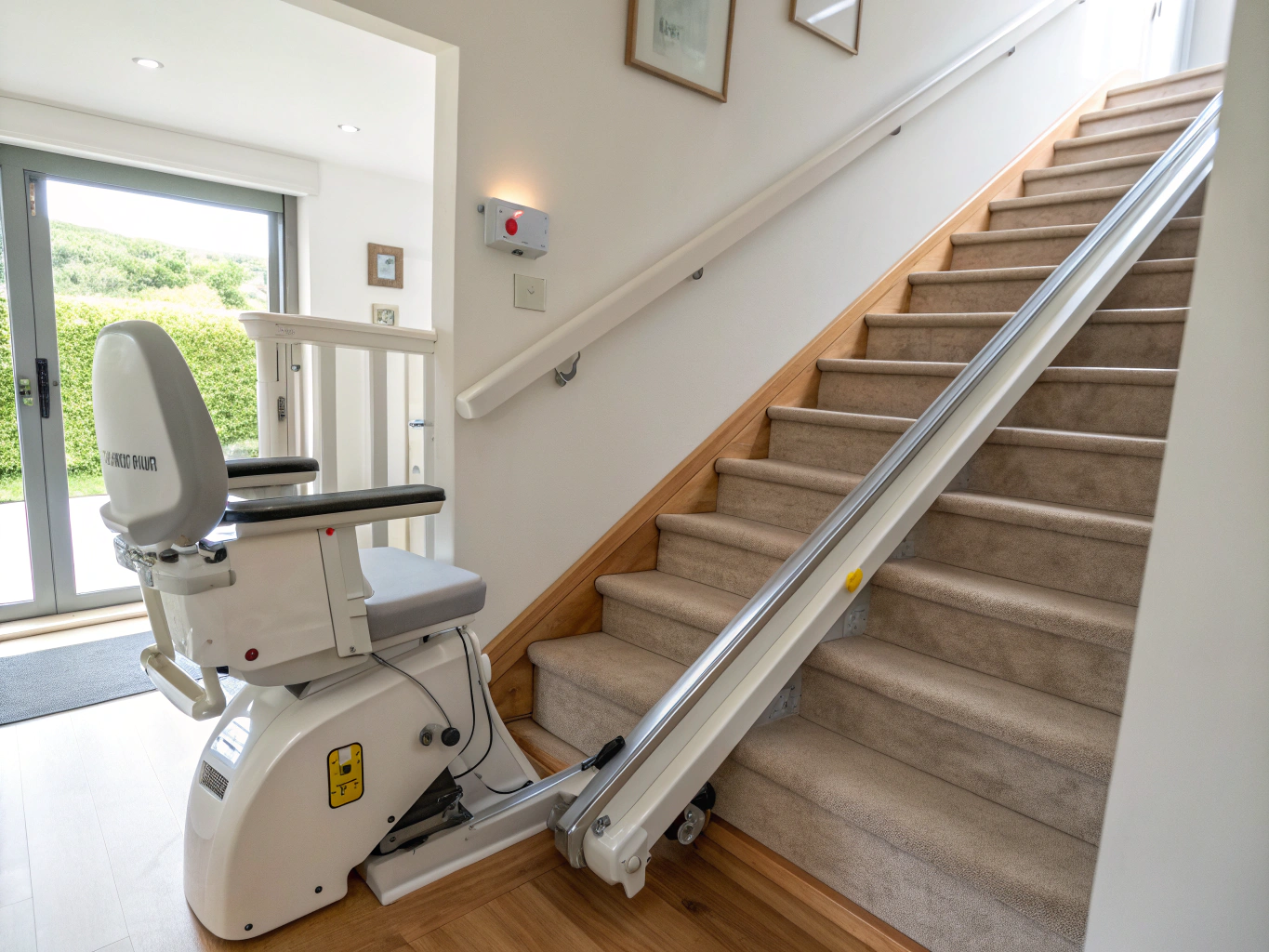
Average equipment costs, local installation factors, and straight versus curved track comparisons.
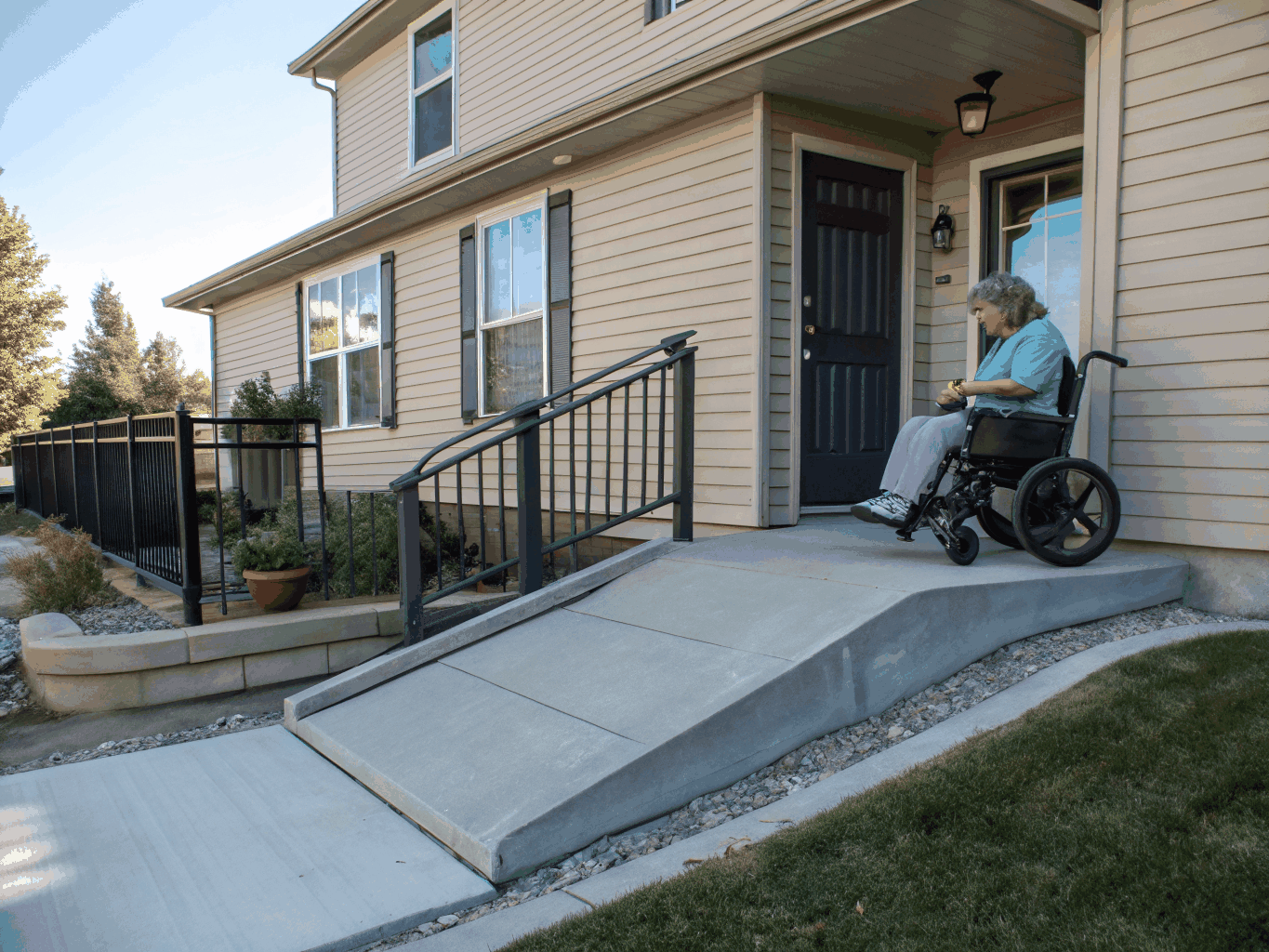
Slope guidelines, modular aluminum setups, and portable threshold options for home entry planning.

In-home landline bases, cellular GPS buttons, and optional fall-detection features.
Featured providers
Compare equipment suppliers offering mobility solutions, home safety fixtures, and everyday living accessories.
Carries a catalog of power wheelchairs, compact scooters, rollators, transfer aids, and bathroom accessibility accessories shipped directly to residences.
We are reviewing additional regional suppliers and national retailers to expand our equipment comparison directory.
Browse Carex mobility products, which may include canes, walkers, rollators, transport chairs, wheelchairs and related accessories. Verify current availability and specifications directly with Carex.
Affiliate link — verify current specifications, availability, pricing, delivery, warranty and return terms directly with Carex.
Please verify all product specifications, warranty details, pricing, and suitability directly with the provider prior to ordering. SafeHome Match is an independent resource and receives compensation from merchant referrals.